



What It Is
Bromazepam 6 mg is a prescription benzodiazepine medication primarily used to treat anxiety, tension, and related nervous conditions. It belongs to the class of anxiolytic drugs that work by enhancing the inhibitory action of the neurotransmitter GABA in the brain, leading to a calming and muscle‑relaxant effect.
Uses and Effects
This strength is commonly prescribed for moderate to severe anxiety, panic disorders, and associated tension states. In some cases, it may be used as a short‑term aid in stress‑related insomnia due to its sedating properties, though its main role is anxiety relief. Bromazepam can produce relaxation, reduced nervousness, and a sense of calm within about 30–60 minutes after taking it.
Risks and Safety
Like other benzodiazepines, bromazepam carries risks of sedation, drowsiness, impaired coordination, and memory effects. Dependence and withdrawal symptoms can occur if used long‑term or outside medical guidance. It shouldn’t be combined with alcohol or other central nervous system depressants due to enhanced sedation and respiratory risk.
What bromazepam is and what it’s used for
Bromazepam belongs to a group of medicines called benzodiazepines, which act on the brain to reduce anxiety and promote calm and sleepiness. It is generally prescribed for a short time to relieve severe anxiety or panic symptoms in adults, often while longer‑term treatments such as antidepressants or psychological therapies begin to work. In animal studies, bromazepam has shown anti‑anxiety, sedative, muscle‑relaxant, and anticonvulsant properties.
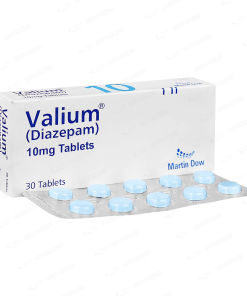
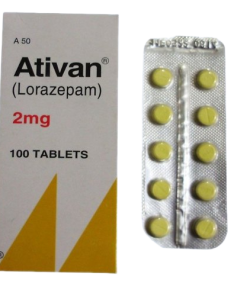
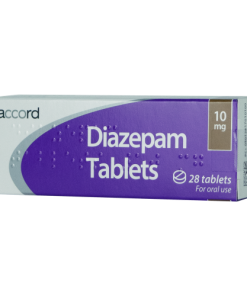
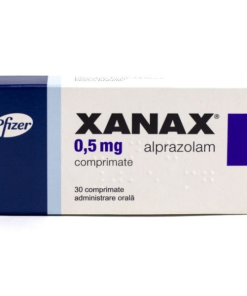
Although widely known internationally, bromazepam is not available in the United States, where other benzodiazepines approved by the FDA (such as diazepam, lorazepam, or alprazolam) are used instead for anxiety or panic disorders. Availability and approval can change over time, and local regulatory information should always be checked.
How is taken?
Bromazepam is usually taken by mouth as an oral tablet. Exact doses and schedules differ by country, product, and individual factors such as age, weight, other medicines, and medical conditions. You should always follow the dose and schedule given by your own prescriber, and never change the dose on your own.
Typical adult regimens used in some countries may range from about 6 to 18 mg per day, often divided into two or three doses across the day. In some cases, doses up to 30 mg per day may be prescribed, but higher doses increase the risk of side effects and dependence. Lower daily doses (for example 3 mg per day, divided) are often used in frail or older adults to reduce risk.
Bromazepam is intended for short‑term use. Your doctor should regularly reassess whether you still need it, whether the dose can be lowered, or whether it should be stopped. Long‑term daily use increases the chances of dependence, tolerance (needing more to get the same effect), and withdrawal symptoms.
Be the first to review “buy Bromazepam (6 mg) online”
Related products
Anti-Anxiety


Reviews
There are no reviews yet.