
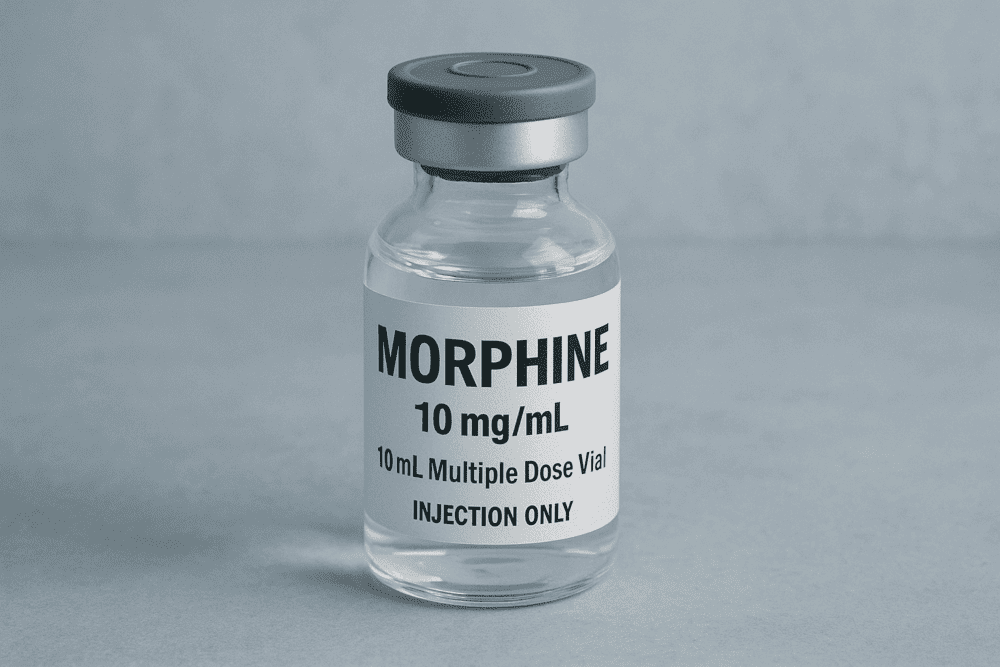

What is morphine?
morphine side effects is a potent opioid analgesic used to treat acute or severe pain when alternative pain relief medicines are not effective or not tolerated. It is a Schedule II controlled substance available as tablets, extended-release tablets and capsules, an oral liquid, suppositories, and in injectable formulations.
Because of the risks of addiction, abuse, misuse, overdose, and death, which can occur at any dosage or duration and persist over the course of therapy, reserve morphine for use in patients for whom alternative treatment options are ineffective, not tolerated, or would be otherwise inadequate to provide sufficient management of pain.
Before taking this medicine
You should not take this medicine if you have ever had an allergic reaction to morphine or other opioid medicines or if you have:
- severe asthma or breathing problems;
- a stomach or bowel obstruction (including paralytic ileus); or
- if you have used an MAO inhibitor in the past 14 days, such as isocarboxazid, linezolid, methylene blue injection, phenelzine, or tranylcypromine.
To make sure morphine is safe for you, tell your doctor if you have ever had:
- chronic obstructive pulmonary disease (COPD), sleep apnea, or other breathing disorder;
- a head injury, brain tumor, high pressure inside the skull, or seizures;
- a drug or alcohol addiction or mental illness;
- urination problems;
- problems with your bile duct, gallbladder, pancreas, thyroid, or adrenal gland; or
- liver or kidney disease.
How should I take morphine?morphine side effects
Take morphine exactly as prescribed by your doctor. Follow the directions on your prescription label and read all medication guides or instruction sheets. Never use morphine in larger amounts or for longer than prescribed. Tell your doctor if you feel an increased urge to use more morphine.
- Never crush a pill to inhale the powder or inject it into your vein. This could result in death.
- Swallow the extended-release capsule or tablet whole to avoid exposure to a potentially fatal overdose. Do not crush, chew, break, open, or dissolve.
- Measure liquid medicine with the supplied measuring device (not a kitchen spoon).
- Call your doctor if your symptoms do not improve or if they get worse.
- You should not stop using morphine suddenly. Stopping suddenly may cause withdrawal symptoms. Ask your doctor before stopping the medicine.
- Your dose needs may change if you switch to a different brand, strength, or form of this medicine. Avoid medication errors by using only the medicine your doctor prescribes.
- Never share opioid medicine with another person, especially someone with a history of drug addiction. MISUSE CAN CAUSE ADDICTION, OVERDOSE, OR DEATH. Keep the medicine where others cannot get to it. Selling or giving away this medicine is against the law.
Be the first to review “Morphine”
Related products




Reviews
There are no reviews yet.